
Some cancers are easier to detect early because screening tools are widely available. Cervical, breast, and prostate cancers often have structured testing programs.
But colon cancer can be different.
Doctors say it often develops quietly, without clear warning signs in the beginning. That makes awareness of even small symptoms extremely important.
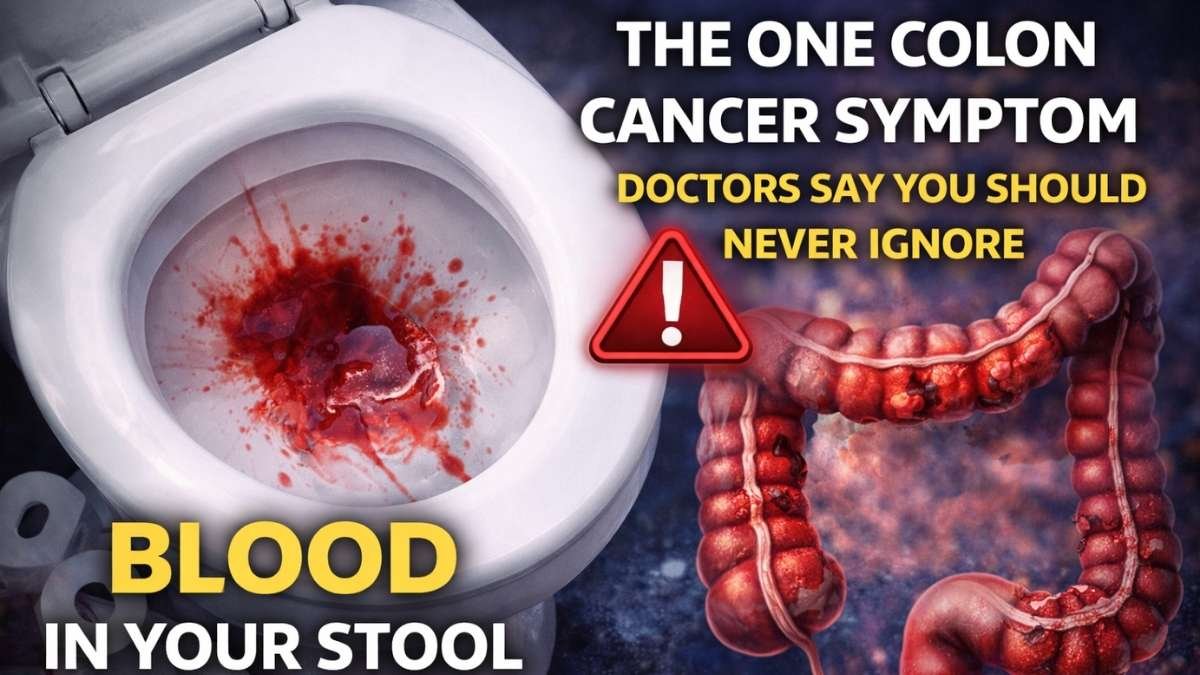
And according to gastroenterologists, there is one colon cancer symptom you should never dismiss: blood in the stool.
Why Colon Cancer Is Often Missed Early
Colon cancer can grow without causing obvious symptoms at first.
Dr. John Nathanson, a gastroenterologist at NewYork-Presbyterian/Columbia University Irving Medical Center, explains that colon cancer may develop asymptomatically. When symptoms do appear, they are often mistaken for less serious issues.
Common misinterpretations include:
-
Hemorrhoids
-
Constipation
-
Minor infections
-
Irritable bowel issues
Because these conditions are common and usually harmless, many people delay seeing a doctor.
Dr. Pratima Dibba, a gastroenterologist with Medical Offices of Manhattan, notes that symptoms may be mild in early stages and not severe enough to prompt immediate medical attention.
The Number-One Colon Cancer Symptom: Blood in Stool
Both experts agree: rectal bleeding, or blood in stool, is the most important sign that needs medical evaluation.
You might notice:
-
Bright red blood in the toilet
-
Dark or maroon-colored stool
-
Blood on toilet paper
-
Stool that looks unusually black or tar-like
Many people assume it’s hemorrhoids. Doctors strongly advise against self-diagnosing.
Blood after a bowel movement can originate anywhere in the digestive tract, including the colon. The only way to know for sure is proper medical testing.
If you notice blood in stool, even once, it is worth discussing with a healthcare provider.
Other Early Signs of Colon Cancer
While rectal bleeding is the most concerning symptom, other early signs of colon cancer may include:
-
Persistent change in bowel habits (diarrhea or constipation)
-
Narrow or ribbon-like stools
-
Unexplained weight loss
-
Ongoing abdominal pain or cramping
-
Feeling that the bowel does not empty completely
-
Fatigue without clear reason
These symptoms do not automatically mean cancer. But if they persist for weeks, they should not be ignored.
Why Early Detection Makes a Huge Difference
The encouraging news is this: when detected early, colon cancer is highly treatable.
According to Johns Hopkins Medicine, the colon cancer survival rate at five years is about 90% when caught early.
However, survival rates drop significantly once the cancer spreads beyond the colon.
That is why recognizing symptoms early — and following screening recommendations — can be life-saving.
Who Should Get Screened?
Doctors recommend colon cancer screening starting at age 45 for average-risk adults. Those with family history or higher risk factors may need screening earlier.
Screening methods may include:
-
Colonoscopy
-
Stool-based tests
-
Imaging tests
Even if you feel healthy, routine screening can detect precancerous polyps before they turn into cancer.
Don’t Ignore What Your Body Is Telling You
Colon cancer does not always cause dramatic symptoms in the beginning.
Sometimes, the first clue is subtle — like blood in the stool that seems easy to dismiss.
Doctors say the key is simple:
Do not assume.
Do not delay.
Do not self-diagnose.
If you notice something unusual, especially rectal bleeding, get it checked.
Early action can make the difference between simple treatment and advanced disease.