
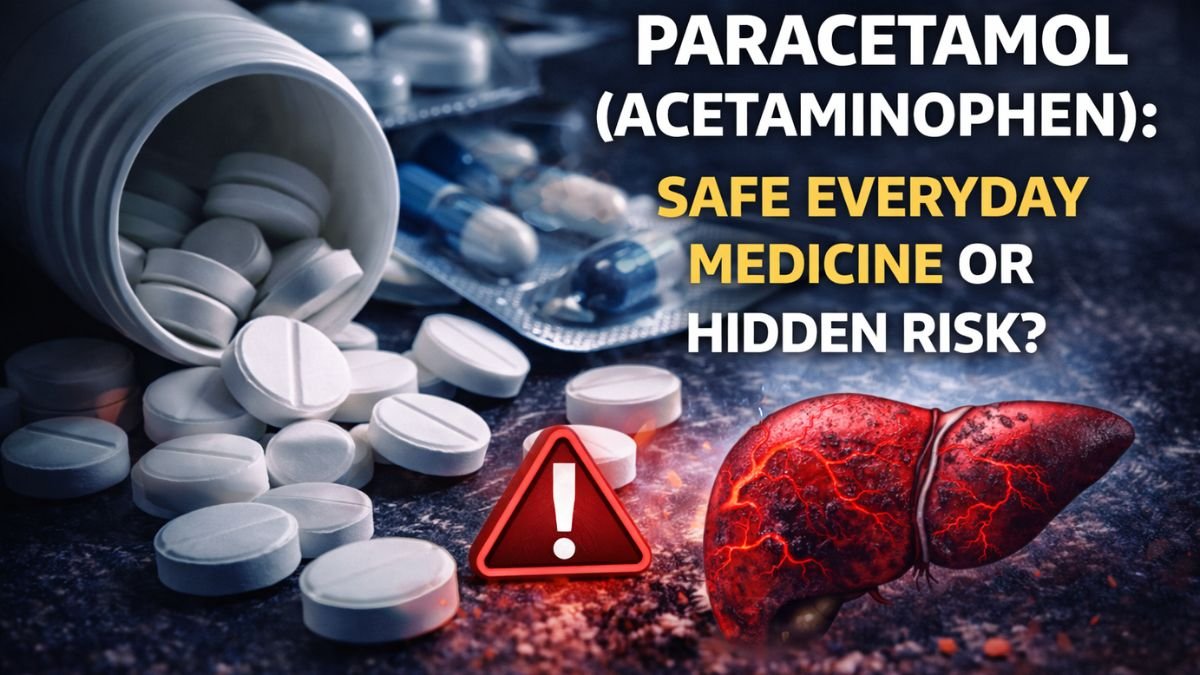
Paracetamol, also known as Acetaminophen, is one of the most widely used medicines in the world.
From fever and headaches to body aches and post-surgery pain, it is often the first medicine doctors recommend. It is available over the counter, affordable, and generally considered safe when taken correctly.
Because of this easy access, many people assume it is completely harmless.
But here’s the important truth: Paracetamol is safe — but only when used responsibly.
The “Hidden” Danger: Why the Safety Margin Is Narrow
Paracetamol works well within the recommended dose. However, the gap between a safe dose and a harmful dose is smaller than most people realize.
That means:
-
Taking slightly more than advised
-
Mixing multiple medicines that contain acetaminophen
-
Using it frequently without medical supervision
…can increase the risk of serious harm.
This is why some experts call it a “silent danger” — because liver damage can begin before you feel severe symptoms.
Liver Toxicity: What Happens Inside the Body?
When you take Paracetamol, most of it is safely processed by the liver and removed from the body.
However, a small portion is converted into a toxic byproduct called NAPQI (N-acetyl-p-benzoquinone imine).
Under normal conditions:
-
The body neutralizes NAPQI using a natural antioxidant called glutathione.
-
The liver safely eliminates it.
But in overdose situations:
-
Too much NAPQI is produced.
-
Glutathione gets depleted.
-
The toxic compound begins damaging liver cells.
This can lead to acute liver failure, which can be life-threatening if not treated quickly.
Overdose: Early Warning Symptoms
Many people don’t realize they’ve taken too much until symptoms appear.
Early signs of Paracetamol overdose include:
-
Nausea
-
Vomiting
-
Sweating
-
Loss of appetite
-
Fatigue
-
Mild abdominal pain
The dangerous part? Severe liver damage may develop 24–72 hours later, even if early symptoms seem mild.
If overdose is suspected, immediate medical attention is critical.
Hidden Ingredient Warning: It’s in More Medicines Than You Think
One major risk is accidental overdose.
Paracetamol is often hidden in:
-
Cold and flu medicines
-
Combination painkillers
-
Cough syrups
-
Sinus relief tablets
It may be listed as “acetaminophen” on labels.
Many people unknowingly take:
-
Paracetamol for fever
-
Plus a cold medicine that also contains acetaminophen
This doubles the dose without realizing it.
Always check the label before combining medicines.
Safety Guidelines: How to Use It Correctly
Maximum Daily Dose
For most healthy adults:
-
Maximum: 4,000 mg (4 grams) per day
-
Many doctors recommend staying below 3,000 mg for added safety
For children:
-
Dose depends on body weight (consult a doctor)
How Many Hours Between Doses?
-
Usually every 4–6 hours
-
Do not exceed recommended total daily limit
Why You Should Not Mix With Alcohol
Alcohol stresses the liver.
When combined with Paracetamol:
-
Liver toxicity risk increases
-
Glutathione levels drop faster
-
Even normal doses may become risky in heavy drinkers
Avoid alcohol while taking Paracetamol.
Who Should Avoid or Be Extra Careful?
-
People with liver disease
-
Heavy alcohol users
-
Those taking multiple combination medicines
-
Patients with chronic medical conditions
-
Individuals who are underweight or malnourished
Always consult a healthcare provider if unsure.
Comparison Table: Paracetamol vs. Ibuprofen
| Feature | Paracetamol (Acetaminophen) | Ibuprofen |
|---|---|---|
| Main Use | Fever, mild to moderate pain | Pain, inflammation, fever |
| Anti-inflammatory? | No | Yes |
| Stomach Irritation Risk | Low | Moderate to High |
| Liver Risk | High in overdose | Lower than Paracetamol |
| Kidney Risk | Low (normal use) | Can affect kidneys in high doses |
| Best For | Fever, sensitive stomach | Swelling, joint pain |
Both medicines are useful — but they work differently.
Final Verdict: Not a Bad Drug — Just One That Demands Respect
Paracetamol is not a “dangerous” drug when used properly. In fact, it is one of the safest and most effective fever and pain medicines available.
But it must be treated with respect.
-
Follow dosage instructions
-
Avoid mixing unknowingly
-
Do not combine with alcohol
-
Seek medical advice if unsure
The medicine itself is not the enemy — misuse is.
FAQ Section
1. Can I take Paracetamol on an empty stomach?
Yes. It is generally safe to take on an empty stomach because it does not usually irritate the stomach lining.
2. Is Paracetamol safe during pregnancy?
It is often considered safer than many other painkillers, but always consult your doctor before use.
3. What should I do if I accidentally take too much?
Seek emergency medical help immediately, even if you feel fine. Early treatment can prevent liver damage.
4. Can I take Paracetamol daily?
Occasional use is safe. Long-term daily use should only be under medical supervision.
Medical Disclaimer
This article is for educational purposes only and does not replace professional medical advice. Always consult a qualified healthcare provider before starting, stopping, or changing any medication. If you suspect an overdose or serious side effects, seek emergency medical care immediately.